
I’m 36, train six days a week, and I have no idea how old my body actually is.
I document every session, blood panels, findings, and protocol changes, in my longevity journey.
This is a live document. I will add every session with Dr. Sarassawadee Suwanjinda (Dr. Petch) at Healthi Life Bangkok here, including the tests, the findings, her recommendations, and what changed.
Disclaimer: This article documents my personal longevity program and is intended for informational purposes only. It does not constitute medical advice. Consult a qualified physician before making changes to your health protocol. I am the Founding Ambassador for Healthi Life and receive a commission on bookings made with the TIM1000 code.
Healthi Life Review
Bangkok has become Asia’s most developed destination for longevity tourism, physician-led programs, advanced biomarker testing, and regenerative medicine at a fraction of Western prices.
I’m the official Founding Ambassador for Healthi Life Bangkok and started their Elite tier longevity program in May 2026.
This is my honest Healthi Life Bangkok review of a physician-led longevity treatment in Bangkok, documented over 90 days, including the biomarker results, what changed, and what didn’t.
After each session with Dr. Petch, I will add a section covering what was tested, the results, any changes made to the protocol, and my doctor’s recommendations.
The goal is not to create another longevity success story. It’s to document what actually happens when a physician-led, biomarker-driven protocol is applied over time.
Session 1: My First Day at Healthi Life Bangkok
May 12, 2026
I walked into Healthi Life assuming I already knew the answer. I train six days a week, sleep well, and eat carefully. By any visible measure, I look healthy. What I didn’t know was whether my body agreed.
Session 1 was entirely diagnostic. No results yet. The goal was to build the complete picture: body composition, blood markers, biological age, gut microbiome, cancer screening, and heavy metals. The kind of snapshot a regular annual checkup never takes.
What was done
- ✓ InBody 270S body composition scan
- ✓ Full blood panel (hematology, inflammation, vascular markers)
- ✓ Urine analysis
- ✓ Gut microbiome stool test (completed at home)
- ✓ Epigenetic age test (PPSpan — 11-organ biological age)
- ✓ Cancer screening panel
- ✓ Heavy metals panel
- ✓ IV therapy — full body detox (1 hour)
InBody scan results — May 12, 2026
183cm · 36 years · Male · InBody score: 81/100
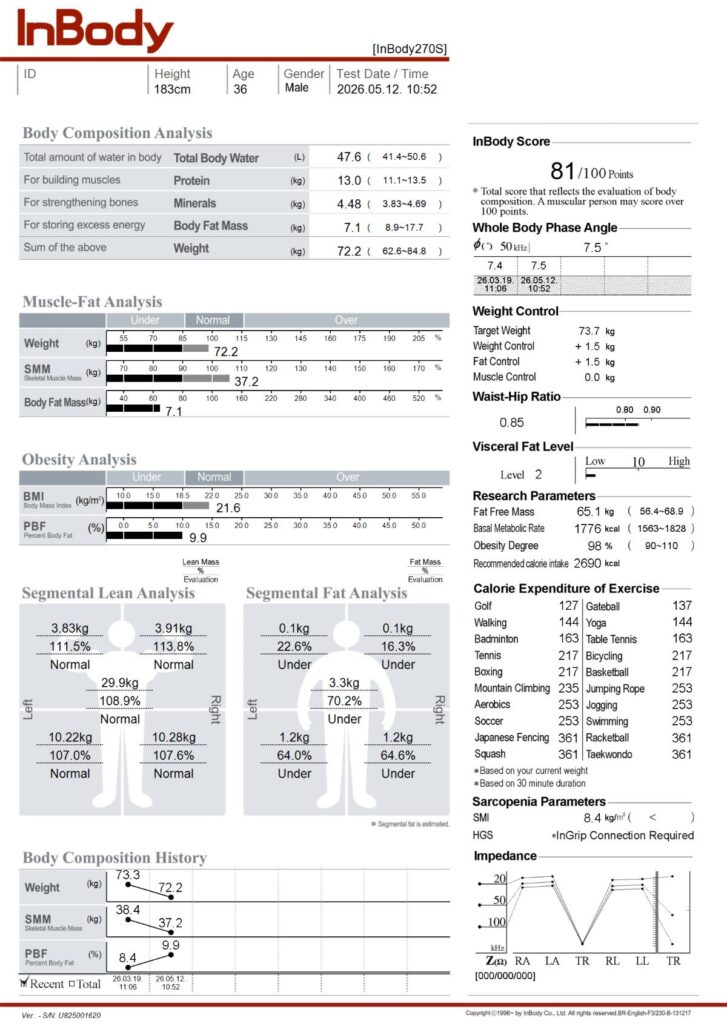
The body composition numbers were reassuring. Low visceral fat, muscle mass well within normal range, body fat at 9.9%.
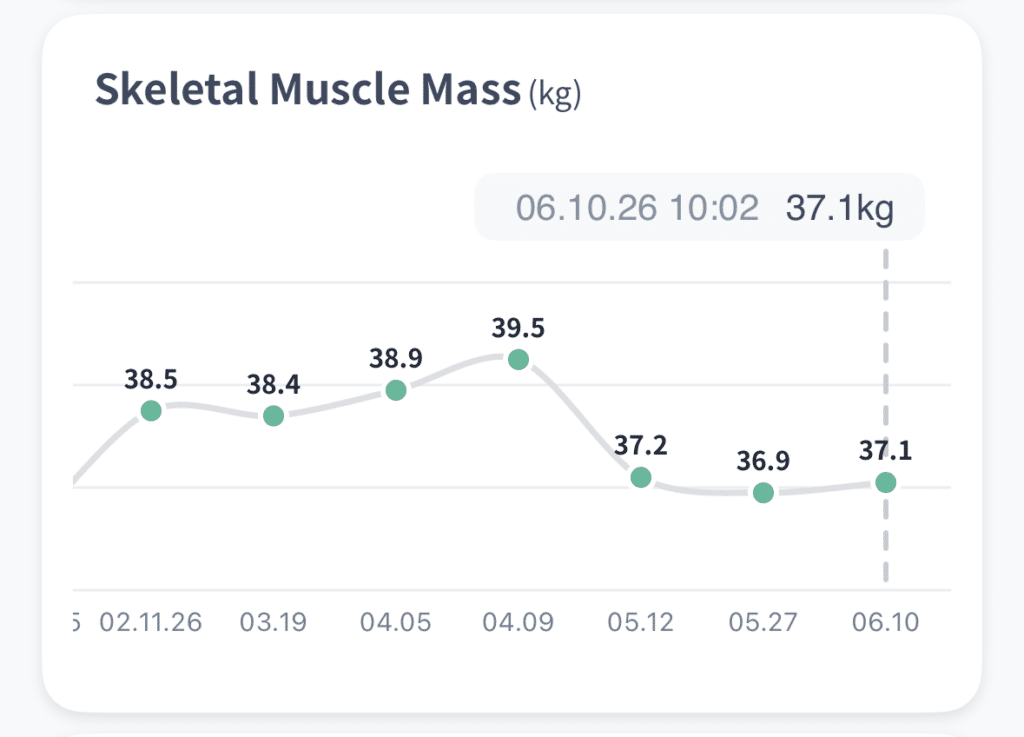
The scan also showed a slight drop from the previous measurement in March 2026: weight down from 73.3 to 72.2 kg, skeletal muscle down marginally from 38.4 to 37.2 kg. Nothing alarming, but worth monitoring.
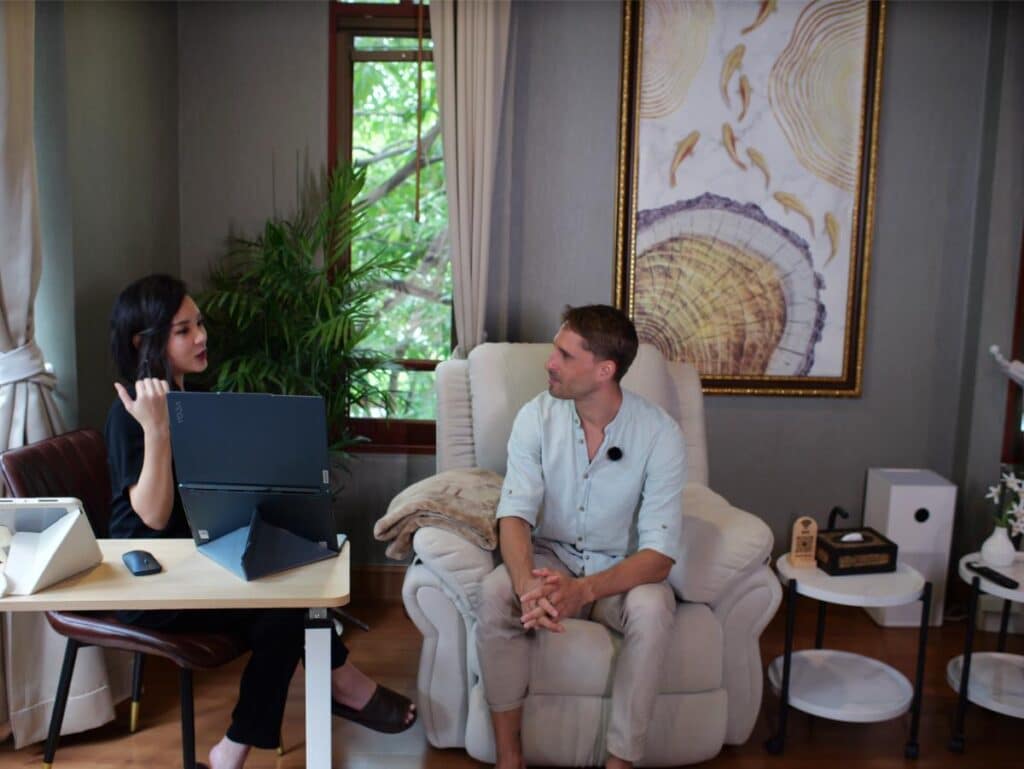
What Dr. Petch explained
The signs people often dismiss as getting older — feeling less energized, slower recovery, mental clarity that takes longer — those aren’t always aging. Sometimes they’re biological imbalances we can detect and correct early. That’s why this program exists: not to treat disease, but to make sure you never get there.
Dr. Sarassawadee Suwanjinda (Dr. Petch), MD — Healthi Life Bangkok
Dr. Petch walked me through the Elite Tier program structure. The program is built around four medical pillars: diagnostics and biomarkers, nutrition and metabolic optimization, hormonal balance, and gut microbiome and inflammation.
One thing Dr. Petch said reframed how I think about the whole system. Wearables give you lifestyle data. Regular doctors look for disease markers. Nobody connects the two.
Healthi Life sits in that gap, combining lab results, biomarkers, and wearable data into a single picture and translates it into specific, actionable guidance. Your sleep data and your blood panel are interpreted together, not in isolation.
The part that got my attention was the epigenetic age test. Not biological age as a single number, but a breakdown of 11 individual organ ages: heart, brain, kidneys, liver, lungs, and more. The test also measures the pace of aging, not just where you are now.
Dr. Petch’s own pace dropped from aging 14 months per calendar year to 8 months after she began her own protocol. The goal is to age more slowly than time passes.
Dr. Petch shared one case that stayed with me. A 30-year-old patient came in with a biological age of 48. She wasn’t in poor health by any conventional measure. She was tired, slower to recover, mentally foggier than she used to be. The kind of symptoms most people write off as normal aging.
After one year on a personalized longevity program, her biological age was tested at 30. An 18-year reversal. Dr. Petch mentioned the largest single-year improvement she has documented is 20 years. These are not estimates or projections. They are EpiSpan test results, measured before and after.
per calendar year — Dr. Petch’s own result
measured by the PPSpan test
tracked across the 3-month program
Based on the full diagnostic picture, Dr. Petch will design a 90-day protocol, covering gut microbiome, biomarkers, hormonal balance, and IV therapy. Here’s what the structure looks like in practice.
The 90-day plan structure
How it actually went
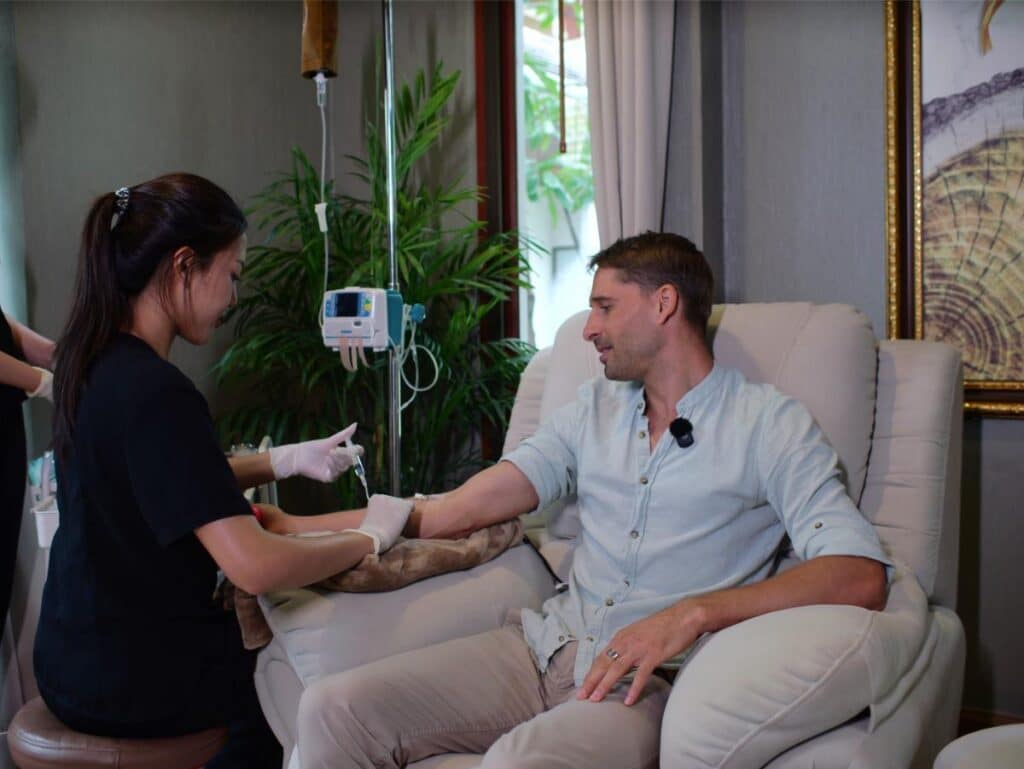
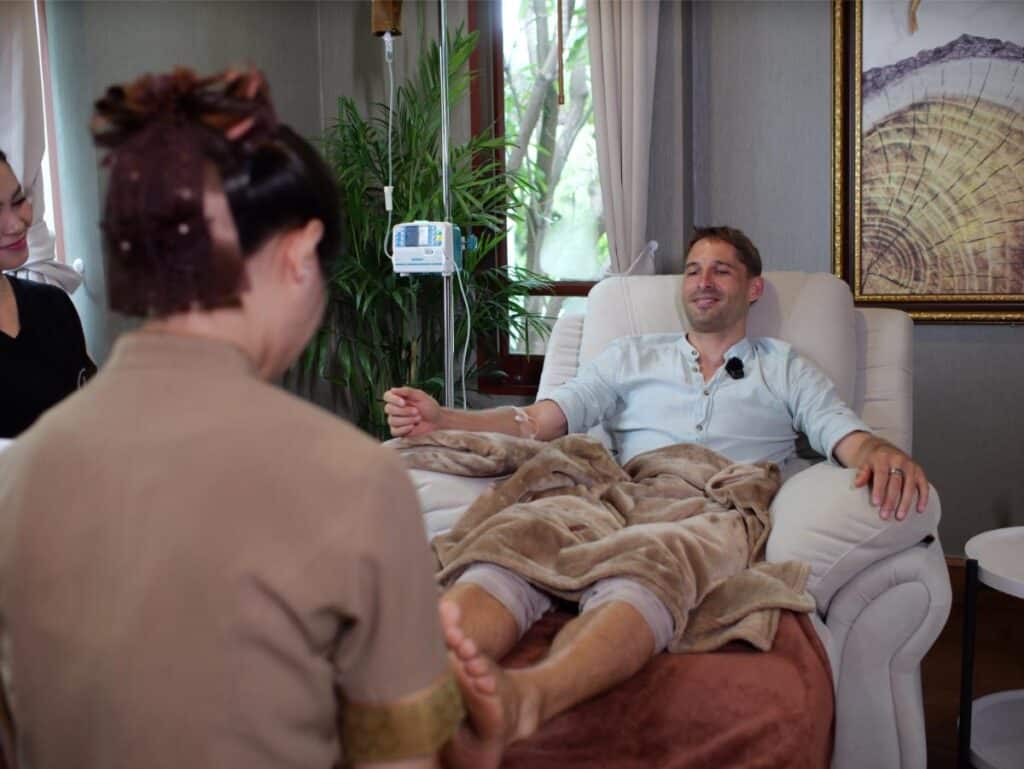
The IV drip took an hour, and I got a foot massage while it ran. That part I did not expect. The full-body detox formulation is designed to reduce inflammation, clear heavy-metal load, and support mitochondrial function. The lab results weren’t back yet, so there was nothing to react to yet. That comes in Session 2.
The gut microbiome test I completed at home. The clinic arranged a Grab driver to collect the sample once I was done. Which is either very Bangkok or very 2026, depending on how you look at it.
What stood out was the framing Dr. Petch uses throughout. This is not a hospital. You’re not here because something is wrong. You’re here because you don’t want to wait until something is wrong to find out. That logic made sense to me before I walked in. It made more sense after.
Session 2 — The Results
May 27, 2026
The second session of my longevity program in Bangkok started with the lab results from Session 1.
Dr. Petch pulled up my dashboard and split it into two simple categories. What was working. And what wasn’t.
The left side was mostly green. The right side gave us our roadmap for the next 90 days.
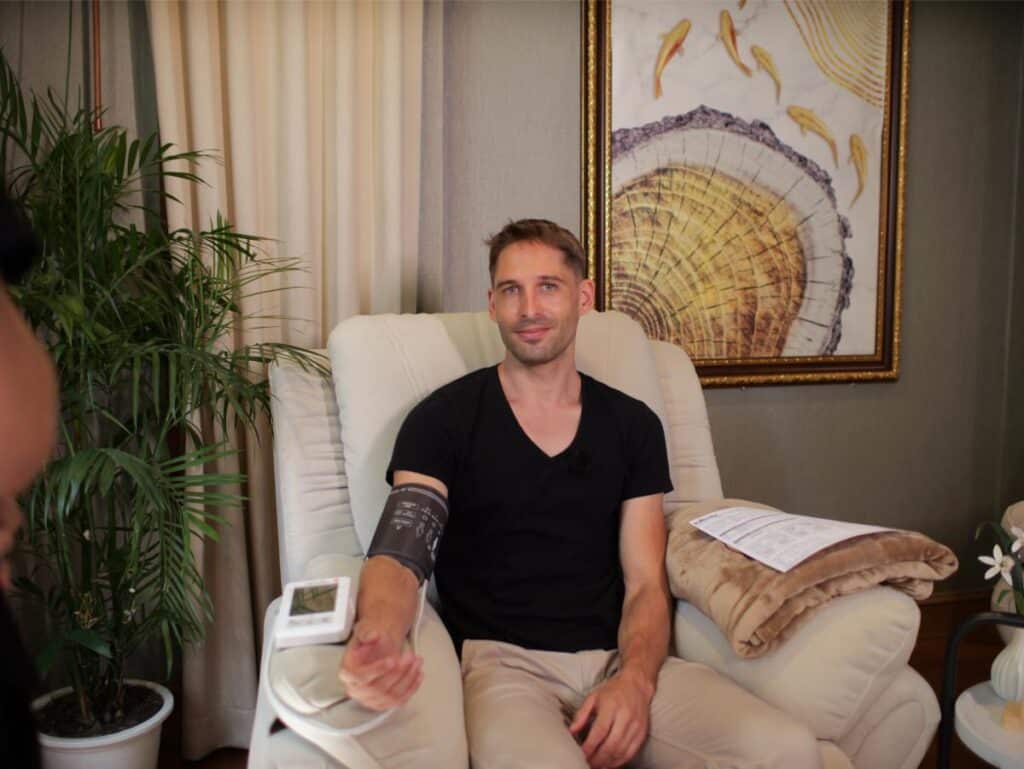
What the panel found
The good news first.
Blood sugar regulation: excellent. Inflammation markers: outstanding. Heavy metals: clean. Cancer screening: normal. Hormones: already optimized, testosterone strong, no intervention needed. Phase angle 7.5, against a male benchmark of 6. HDL cholesterol at 55-67, well above the 40-50 benchmark.
Then the other side.
LDL cholesterol is elevated and imbalanced relative to HDL. Not at the medication level, Dr. Petch’s recommendation was three to six months of lifestyle modification first, given my discipline. She’s confident it will come down without pharmaceutical intervention.
Homocysteine, a marker for vascular inflammation, is at the upper end of normal. Not alarming, but worth addressing. Linked to the LDL finding.
Lymphocytes at 1,000, against a benchmark of 1,500. Not a disease. A sign that the immune system is running slightly under-resourced. Likely connected to sleep quality.
Muscle mass trending down across all three InBody scans. This one surprised me. I train six days a week. Dr. Petch’s explanation was direct: I’m not eating enough to support the training I’m doing. At 9.9% body fat, when the body needs energy and doesn’t have enough fuel, it breaks down muscle instead of fat. The training is working against itself.
male benchmark is 6.0
benchmark is 40–50
benchmark is 1,500
normal range under 500
And then the D-Dimer.
The Finding: A Deep Dive into Biological Stress
My D-Dimer came back at 4,315 µg/L. To put that in perspective, the standard reference range is typically under 500 µg/L.
D-Dimer is a biomarker that tracks blood clotting activity and protein breakdown. In high-performance athletes, intense weight training or structural muscle damage the day before a blood draw can cause this marker to spike temporarily. However, because it is also used to screen for serious vascular issues like deep vein thrombosis (DVT), a number this high requires immediate medical context.
When I shared my family history of thrombosis, the clinical protocol shifted instantly from standard optimization to proactive screening. Dr. Petch immediately conducted an on-site physical evaluation, checking for localized vascular inflammation and swelling, to ensure there were no signs of an acute condition.
Once she verified that I was completely asymptomatic and that the numbers lined up with extreme training stress, she mapped out a highly proactive monitoring plan. Instead of waiting a full month for a standard follow-up, she scheduled a strict, rested re-test just two weeks later.
This marker tells us your body is managing a heavy amount of physiological and recovery stress. Because of your family history, we aren’t going to guess or leave it to chance. We will support your vascular system immediately, allow your body to recover, and re-test under controlled, rested conditions.
Dr. Sarassawadee Suwanjinda (Dr. Petch), MD
She also added Nattokinase to my protocol, a natural enzyme with emerging evidence for supporting healthy blood flow and vascular health.
The symptoms to watch for, per Dr. Petch: sudden swelling in one leg, difficulty breathing. If either appears, that’s a hospital conversation, not a clinic visit.
I left knowing what to look for.
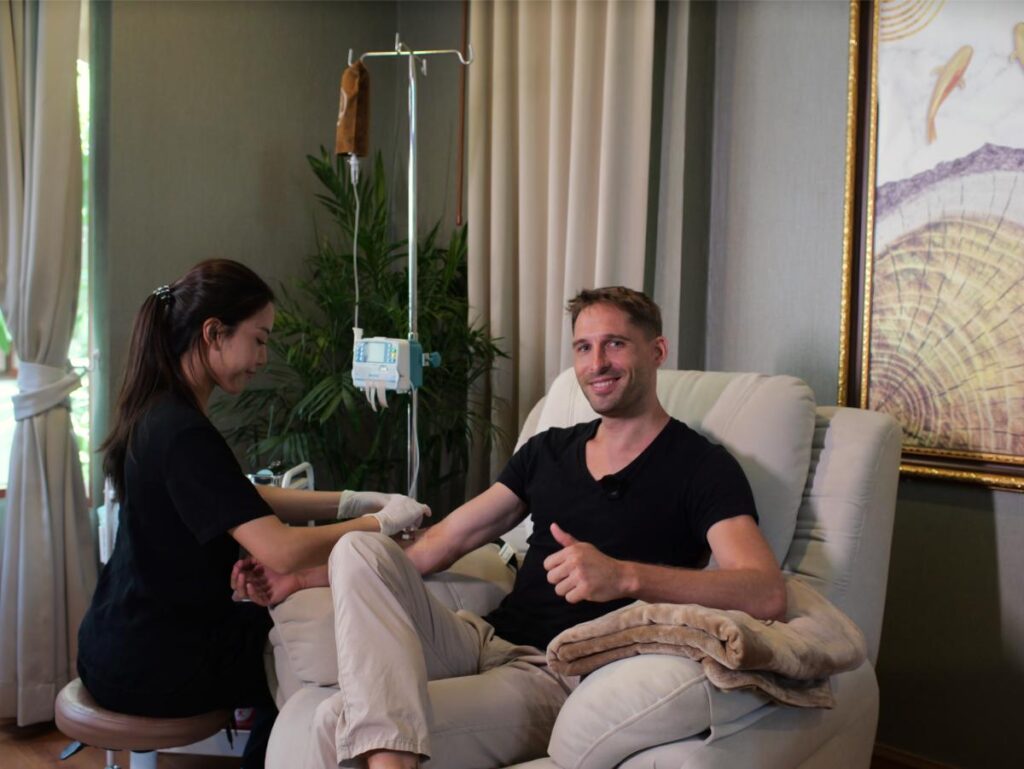
The 90-day protocol
Based on the full panel, Dr. Petch built the personalized plan.
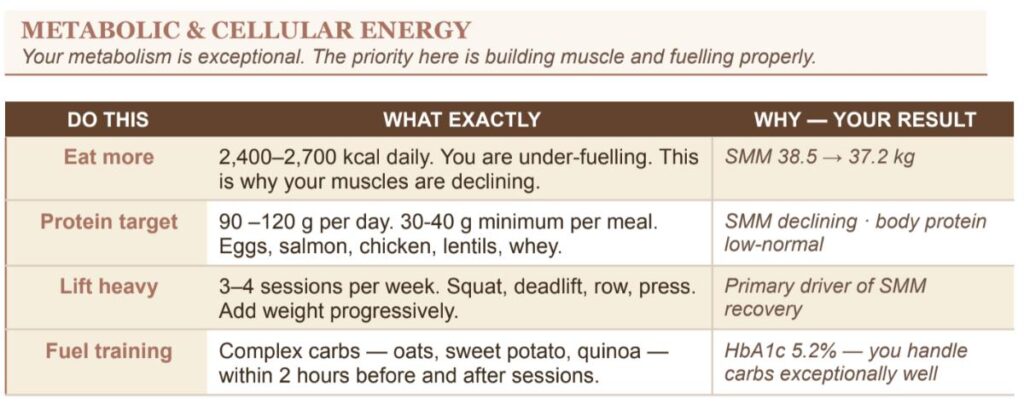
Nutrition changes:
- Increase caloric intake to match training load
- 90 to 120g of protein per day
- Complex carbohydrates before and after training. The body needs fuel to build muscle, not break it down
- Oily fish (salmon, sardines) three to four times per week
- Switch from coconut oil to olive oil; the coconut oil I’d recently added was likely contributing to LDL elevation
- Eat before 7 pm to allow digestion before sleep
Training changes:
- Two full rest days per week, or very light movement only
- No intense training in the Bangkok heat
- The goal: let the body recover enough to actually build the muscle it’s being asked to build
Sleep:
Sleep was identified as the foundational priority. Dr. Petch connected the lymphocyte count, the muscle recovery issue, and the immune function gap to suboptimal sleep. Fix the sleep, and several other markers follow.
I mentioned I’d already started going to bed at 10pm and getting morning sunlight on the balcony for 15 minutes before touching my phone. She called it an amazing job.
Supplements and IV:
The personalized IV for Session 2 included vitamin C for immune support, B12 (methylcobalamin, the active form) to reduce vascular inflammation, magnesium for muscle recovery and sleep, zinc for immunity, and glutathione. Fish oil supplement added for cholesterol management. No magnesium supplement added separately, my levels were within range, and she doesn’t believe in loading supplements without a clinical reason.
The follow-up blood test for the D-Dimer was scheduled for two weeks later. I left not knowing whether the number would come down or stay elevated.
It came down.
Session 3: First Signs That My Longevity Treatment in Bangkok is Working
June 10, 2026
The InBody score went from 78 to 81. Dr. Petch showed me the number before saying anything else. All the work is starting to pay off, and she directly connected it to lifestyle changes. Supplements and IV aside, the shift in how I live day-to-day is already showing up in the cellular health data.
The muscle mass chart is the clearest signal. Skeletal muscle peaked at 39.5kg in early April, then declined steadily to 36.9kg by late May. Two weeks of following Dr. Petch’s recommendations and it’s back up to 37.1kg. The trend reversed faster than I expected.


The D-Dimer recheck required stopping heavy training for two days prior. Dr. Petch is not alarmed by the marker but wants to monitor it closely.
The IV drip that followed ran for 90 minutes. The protocol included high-dose Vitamin C, Vitamin B complex, methylcobalamin (the absorbable form of B12), folic acid (B9), NAC, glutathione, and magnesium. Targets: vascular inflammation, oxidative stress, and cholesterol recycling.
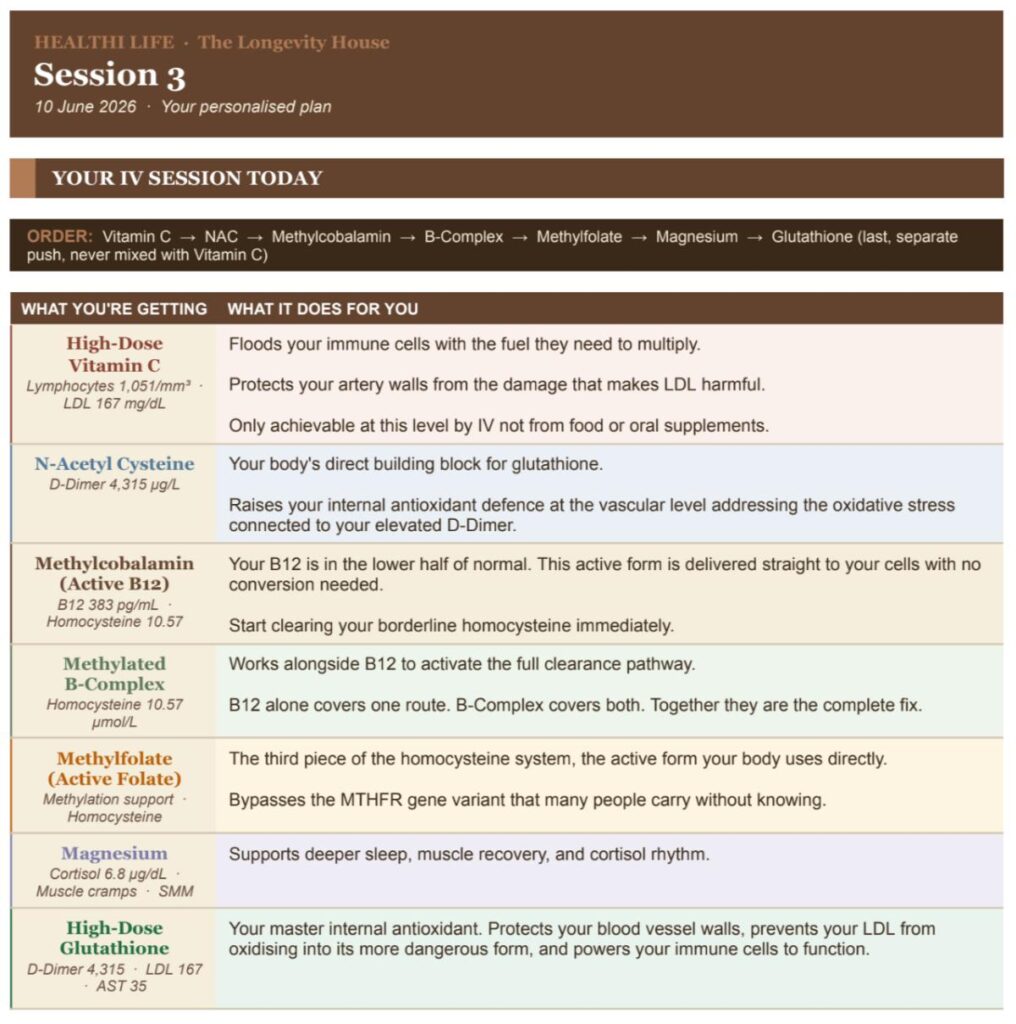
A few protocol updates from today. If weight training and cardio happen in the same session, weights come first. Creatine stays at five grams per day. The whey protein I am currently using contains sucralose, which interferes with gut microbiome composition and signals the brain to crave more sugar. Finish the current tub, then switch to a clean alternative. On eggs: pulled back from four or five per day to three whole eggs, with any extras as egg whites only.

Healthi-Life provided me with a Whoop to track sleep, HRV, and recovery. All data syncs directly into their platform, where Dr. Petch can monitor and interpret the trends. I can also photograph meals to calculate nutrition, log drinks, and add notes on how I feel day to day.
The D-Dimer Result Came Back
June 11, 2026
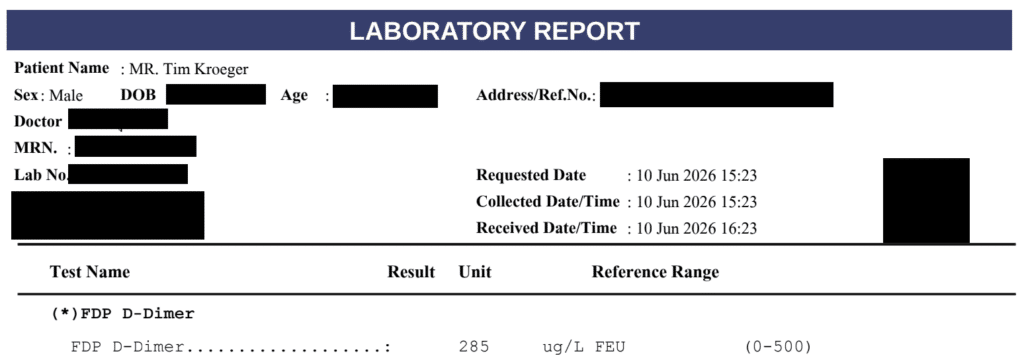
The next day, the repeat D-Dimer test came back at 285 µg/L, which is within the normal range. Dr. Petch’s message:
Your repeat D-Dimer result is excellent news.
Dr. Sarassawadee Suwanjinda (Dr. Petch), MD
It has dropped from 4,315 µg/L to 285 µg/L in less than four weeks and is now well within the normal range. This is very reassuring and suggests the previous elevation was most likely related to training stress, recovery demands, and overall physiological stress rather than any serious underlying issue.
This means we can confidently continue with your longevity programme and focus on optimizing recovery, sleep, energy, and performance moving forward.
The First Dream I Can Remember in Years
June 12, 2026
Healthi Life gave me a Whoop during Session 3. I’ve tracked training metrics for years, but I’ve never looked at my sleep this closely.
The second night I wore it, my REM sleep came in at 30%, above the typical 20–25% benchmark. Sleep stress sat at 0% for 97% of the night.
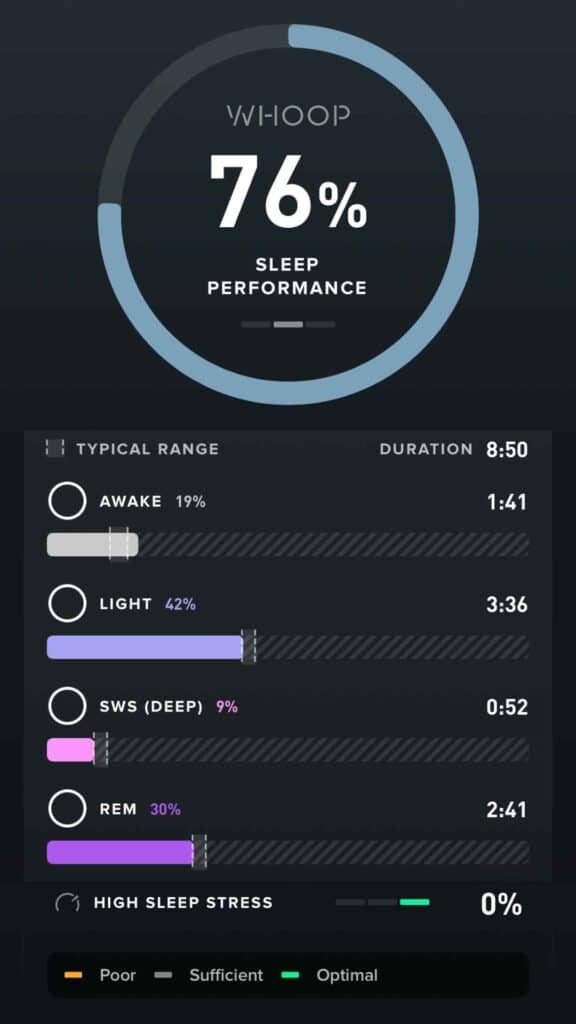
The numbers were interesting. What mattered more was what happened when I woke up.
I remembered a dream.
That might not sound like much, but I honestly can’t remember the last time I woke up with a dream still in my head. It had been years.
Seeing the Whoop data afterwards made the experience make more sense. REM sleep is where dreaming happens, but it’s also where a lot of the brain’s cognitive and neural restoration takes place. For the first time, I could connect how I felt with something measurable.
Dr. Petch wasn’t surprised at all.
Your nervous system can only expand its time in deep, restorative REM states when it feels biologically safe. When we systematically lower systemic inflammation, clear vascular stress, and align your circadian eating window, your body drops out of a sympathetic ‘fight-or-flight’ state. Waking up with vivid dreams is a beautiful subjective sign that your nervous system is downshifting and your cellular recovery is actually working.
Dr. Sarassawadee Suwanjinda (Dr. Petch), MD
She explained that improvements in sleep architecture naturally follow as systemic inflammation comes down and the autonomic nervous system becomes less activated. My D-Dimer had already normalized; my sleep architecture was simply following the exact same trend.
It’s far too early to draw conclusions from a single night. But as first signs go, waking up and remembering a dream felt like a pretty good one.
Coming next: Session 4 on June 24, 2026
Frequently Asked Questions
What is the Individual Longevity Program at Healthi Life Bangkok?
The Individual Longevity Program at Healthi Life is a 3-month physician-led protocol designed by Dr. Sarassawadee Suwanjinda (Dr. Petch). It is structured around six medical pillars: diagnostics and biomarkers, nutrition and metabolic optimization, hormonal balance, gut microbiome and inflammation, sleep and recovery, and performance and biological age. The program is available in four tiers, ranging from ฿50,000 to ฿150,000, each activating progressively more pillars. It is not a wellness package; it is a clinical protocol built from your individual biomarker data.
How much does the Elite Tier longevity program cost at Healthi Life?
The Elite Tier costs ฿115,000 for a 3-month program. It covers Pillars 1 to 4, includes 12 IV drip therapies and 5 consultations with Dr. Petch. Pricing across all tiers ranges from ฿50,000 (Foundation) to ฿150,000 (Ultimate). Final investment is confirmed after a complimentary discovery consultation.
What tests are included in the first session of the longevity program?
Session 1 is entirely diagnostic. It includes an InBody 270S body composition scan, a full blood panel covering hematology, inflammation, and vascular markers, urine analysis, an epigenetic age test measuring 11 individual organ ages (EpiSpan), a cancer screening panel, and a heavy metals panel. A gut microbiome stool test is completed at home after the appointment. The first session also includes an introductory IV drip therapy, in my case, a full-body detox protocol targeting inflammation and mitochondrial function.
How much does a longevity program cost in Bangkok?
Longevity programs in Bangkok are significantly more affordable than equivalent physician-led protocols in the US or Europe, where comparable programs typically cost between $8,000 and $20,000 USD. At Healthi Life Bangkok, the Individual Longevity Program is available in four tiers: Foundation at ฿50,000 (approximately $1,400 USD or €1,300), Advanced at ฿80,000 (approximately $2,200 USD or €2,050), Elite at ฿115,000 (approximately $3,200 USD or €3,000), and Ultimate at ฿150,000 (approximately $4,200 USD or €3,900). All tiers run for three months and include physician consultations and IV drip therapies. Final pricing is confirmed after a complimentary discovery consultation with Dr. Petch.
What is epigenetic age testing, and what does it measure?
Epigenetic age testing measures how old your body is functioning at a biological level, independent of your chronological age. The Epispan test used at Healthi Life goes further than a single biological age number. It breaks down the biological age of 11 individual organs, including the heart, brain, kidneys, and liver. It also measures your pace of aging: how many months you biologically age per calendar year. This allows the medical team to identify which organs are aging faster than expected and target interventions accordingly.
How is a longevity program different from a regular health check-up in Bangkok?
A standard health check-up is designed to detect existing diseases. A longevity program at Healthi Life is designed to identify optimization gaps and biological imbalances before they become disease. The program combines 80 to 120 biomarkers across six medical pillars, integrates wearable data with lab results, and produces a personalized 3-month intervention protocol covering IV therapy, nutrition, supplementation, and exercise guidance. It is physician-supervised throughout, with monthly check-ins and real-time monitoring between sessions.
Can international visitors do the Individual Longevity Program at Healthi Life Bangkok?
Yes. Healthi Life has treated guests from more than 50 nationalities and offers multilingual support in English, Thai, Chinese, Arabic, and French. International visitors can begin with a complimentary discovery consultation, either in person or remotely, to determine the right program tier. Medical concierge services are available for fly-in guests on the Ultimate tier.
What happened when the Session 1 lab results came back?
My Session 1 lab results were reviewed during Session 2 on May 27, 2026. One marker came back above the safe limit, with no prior symptoms and no warning signs. It was caught only because the full panel was run. Dr. Petch presented the findings and built a personalized 90-day intervention plan based on the complete diagnostic picture. Full results and the protocol are documented in Session 2.
How long does a longevity program in Bangkok take to show results?
A longevity program in Bangkok can show early biomarker results within two to four weeks. In my experience at Healthi Life, my D-Dimer dropped from 4,315 to 285 µg/L in less than four weeks, and my InBody score improved from 78 to 81 within three sessions. For biological age reversal, Dr. Petch’s patients typically see measurable EpiSpan results after six to twelve months of consistent protocol adherence. The short answer: some biomarkers respond within weeks; biological age reversal requires sustained commitment over months.
Is a longevity program in Bangkok worth it?
For me, yes, but not for the reasons I expected. This Healthi Life Bangkok review documents exactly what I found. I walked in thinking I was healthy. A full blood panel caught a D-Dimer marker at 8x above normal with zero symptoms. That finding alone justified the cost of the program. Bangkok offers physician-led longevity programs at 60-80% less than equivalent programs in the US or Europe. The Elite Tier at Healthi Life is ฿115,000, roughly $3,200 USD for a 3-month physician-supervised protocol with 12 IV sessions and 5 consultations. Whether that’s worth it depends on how seriously you take preventive health. If you’re waiting until something is wrong to find out, it probably isn’t for you. If you want to know what’s happening inside your body before it becomes a problem, it’s hard to argue against.

Tim Kroeger is a luxury wellness travel specialist and creator of The Restorative Index. He races internationally, recovers at the world’s best wellness hotels, and documents his longevity journey as the official Founding Ambassador of Healthi Life Longevity House in Bangkok.
With 15+ years of full-time travel across 112+ countries, 5,000+ hotel nights of experience, and 230+ nights personally tested, he reviews luxury wellness hotels through one lens: Did you leave feeling better than when you arrived?
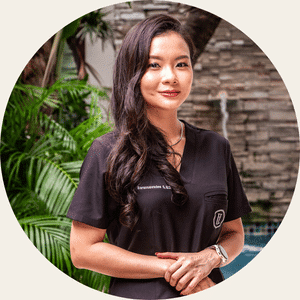
Dr. Petch is a longevity and functional medicine physician, and Co-Founder of Healthi Life — Bangkok’s first Urban Longevity House. The clinic was named Regenerative Clinic of the Year, Asia Pacific 2025 by the Global Health & Travel Awards. She leads the Longevity Programs and holds a Diplomate from the International Board of Lifestyle Medicine. Her practice is built around 80 to 120 biomarkers across six pillars of biological ageing, with quarterly reviews and monthly physician follow-up. She does not believe in optimisation. She believes in stewardship.
Credentials: IBLM Diplomate · ISSCA Cellular Therapy Certified · CBAM Certified · AAAM — Aesthetic Medicine Certified